To maintain the well-being of your exotic pets, specialized enclosures and habitat setups are essential. These tailored environments play a crucial role in meeting the unique requirements of each species, fostering natural behaviors, and reducing stress levels. By creating a habitat that mirrors their natural surroundings, you not only promote physical health but also enrich their lives in ways that standard enclosures cannot. But why exactly do these customized setups matter so much? There’s a fascinating reason behind it that might surprise you.
Unique Environmental Requirements
When creating specialized enclosures for exotic pets, it’s crucial to consider their unique environmental requirements. These requirements vary greatly depending on the type of exotic pet you have. For example, reptiles like snakes and lizards often need specific temperature gradients within their enclosures to regulate their body temperature effectively. Ensuring that the enclosure has a warm basking spot and a cooler area for them to retreat to is essential for their well-being.
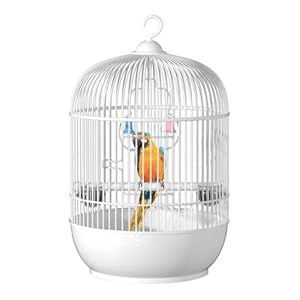
Similarly, exotic birds require enclosures that mimic their natural habitats as closely as possible. This includes providing branches for perching, different textures for their feet, and enough space for them to fly around. Birds also need access to natural sunlight or full-spectrum lighting to maintain their vitamin D levels and overall health.
Fish, another common type of exotic pet, need tanks with appropriate filtration systems to ensure clean water and oxygen levels. Some fish species might require specific water parameters like pH levels or temperature ranges. It’s crucial to research and understand the exact needs of your exotic pet to create an enclosure that promotes their health and happiness.
Importance of Proper Hiding Spaces
Proper hiding spaces are essential for exotic pets to feel secure and reduce stress in their enclosures. These spaces mimic their natural habitats, providing a sense of safety and privacy. For nocturnal animals, such as geckos or certain snakes, hiding spots are crucial for daytime rest. Without these spaces, they may experience heightened anxiety, affecting their overall well-being. Arboreal species like tree frogs require vertical hiding spots, while terrestrial animals like tarantulas prefer burrows or caves. Ensuring a variety of hiding spaces caters to different behaviors and preferences among exotic pets.
Hiding spots also serve as retreats during times of stress, such as when introduced to a new environment or during breeding periods. By offering these spaces, you create a harmonious balance within the enclosure, allowing pets to exhibit natural behaviors without constant exposure. Additionally, proper hiding spots can prevent conflicts in multi-pet setups by providing individual territories. Overall, these spaces play a significant role in maintaining the mental and physical health of exotic pets in captivity.
Ensuring Optimal Temperature and Humidity
To maintain the well-being of your exotic pets, it’s imperative to ensure the optimal temperature and humidity levels within their enclosures. Different exotic species have specific temperature and humidity requirements that mimic their natural habitats. Incorrect levels can lead to stress, illness, or even death. Invest in a quality thermometer and hygrometer to regularly monitor these factors.
For reptiles like snakes and lizards, a temperature gradient is essential. Provide a heat source at one end of the enclosure to allow them to regulate their body temperature. Ensure that the basking spot reaches the recommended temperature while maintaining cooler areas for them to retreat to.
Humidity is crucial for amphibians like frogs and salamanders. Mist their enclosure regularly and use a substrate that retains moisture to create a humid environment.
Providing Adequate Perches and Climbing Structures
Ensure that your exotic pets have adequate perches and climbing structures to promote their natural behaviors and physical exercise. Depending on the species, provide a variety of perch sizes and textures to accommodate different preferences.
For arboreal animals like chameleons or tree frogs, vertical branches of varying thickness are essential for climbing and perching. Make sure the perches are securely attached to prevent accidents.
Additionally, incorporating climbing structures such as vines, ladders, or rocks can enrich your pet’s environment and encourage natural behaviors like exploration and exercise. Research your pet’s species-specific needs to create a stimulating habitat that mimics their natural environment.
For example, basking platforms for reptiles or elevated shelves for small mammals can offer opportunities for basking and observation. Regularly inspect and clean the perches and climbing structures to maintain a hygienic environment.
Trending Products